There are three things to get done first: if conditions are safe, cut off the water, put any hazards out of the way and make sure the plumber has all the facts. You will be limiting the scope of any flooding and safeguarding your things, not to mention making it easier for him to put his finger on the problem.
I am Finnian Hayes and I write this from Hobart; one knows that a pipe left to leak in winter can make a cold indoor swimming pool of a minor annoyance. But the priorities are not so different whether you are dealing with a burst pipe in Perth, a sewer running over in Brisbane or an emergency leak in some Tasmanian rental property: safety, then the water, and clean-up last.
When is it a real plumbing emergency?
You do not need to put in an emergency call-out for a tap that is dripping, though it can be pressing if it is near electricals or you cannot isolate it. For there to be an emergency there is normally uncontrolled water or sewage, a risk to structure or to persons, or essential services have gone. For urgent situations, contact a 24-hour emergency plumbing service.
Making the distinction will see you give an emergency plumber in any part of Australia an accurate account of what is wrong. And it means he will come with the proper equipment rather than find “a little leak” is in fact the ceiling giving way to water.
Deal with any immediate danger
If a pipe is in full spate, a ceiling is starting to bulge, a hot-water system is letting go of water in earnest, or you have a toilet or drain overflowing with sewage, make an urgent call. Water in a switchboard area is also a cause for concern. A gas leak is another matter entirely and demands gas-safety measures prior to any plumbing.
A blocked drain is an emergency when wastewater makes its way back into the bathroom, kitchen or living room. Where the source is not known or water is on the move, keep people at bay and consider it a serious situation.
A quick triage
| Problem | First priority | Any extra risk |
|---|---|---|
| Burst pipe / fast leak | Isolate the supply | Flooding and ruined ceilings or floors |
| Leaking tap or toilet | Shut off the local valve | Hidden damage and ongoing use of water |
| Blocked drain | Put connected fixtures out of commission | Indoor backup of wastewater |
| Sewer overflow | Make sure pets and people are clear | Slip and contamination |
| Gas leak | Get out and ring the gas emergency service | Risk of fire, explosion or poisoning |
Bear in mind 1 litre of water is in the order of 1 kilogram. So a 100 litre leak will put 100 kilograms in a room, and that is before you factor in the plasterboard and furniture. It does not have to be dramatic to cost you.
Cut the mains
The best course of action while you wait for the plumber is to shut off the mains water. It curtails the flow to most of your fixtures and gives you some leeway as the plumber makes his way through traffic, rain or whatever roadworks Australia deems necessary at the time.
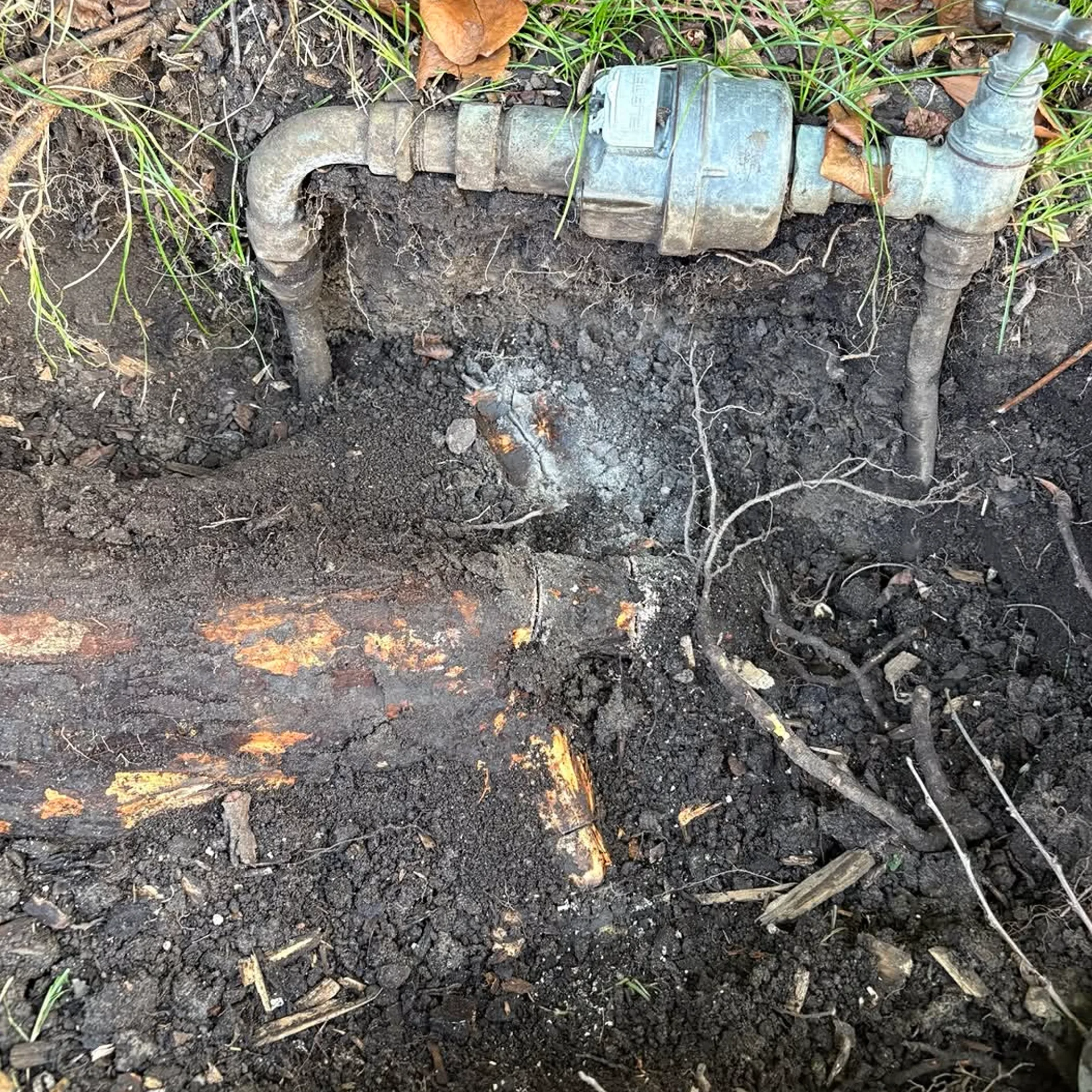
Where the main shut-off is depends on the state and the type of property, be it a house, unit or business. Do not make assumptions about the layout. It could be by the meter at the front boundary, under the sink in the kitchen, in the laundry or somewhere else convenient.
Locating the valve
Head for the water meter and trace the incoming pipe to the building; the valve will be there or where the main comes in. In a townhouse or unit you may find it in a common area with the other services, suitably labelled.
For those who rent, once the situation is in hand it is a good idea to ask the landlord or manager for the location of the valve. Better to know now than when a pipe gives way at 2 am and you are in your pyjamas with one sock on.
Be careful with the stopcock
A firm but slow turn in the direction to close is called for. Some are a lever, some want a key. Resist the temptation to apply too much leverage or hit a stubborn valve with a tool, you could do harm to the pipework. When you have closed it, open a cold tap for a moment to let the pressure out and then shut it again to check the flow has ceased. Pipes will sometimes let a little run off, but if the pressure does not abate it is likely you have closed the wrong valve or there is another supply at work.
- Have everyone clear the area.
- Close in on the local valve where it can be done with impunity.
- Shut the water at the stopcock or meter.
- Put an end to any use of the toilets, sinks, showers and other appliances tied to the issue.
- Make a call to the emergency plumber to give him a full account of what has transpired.
Isolate The Faulty Fixture
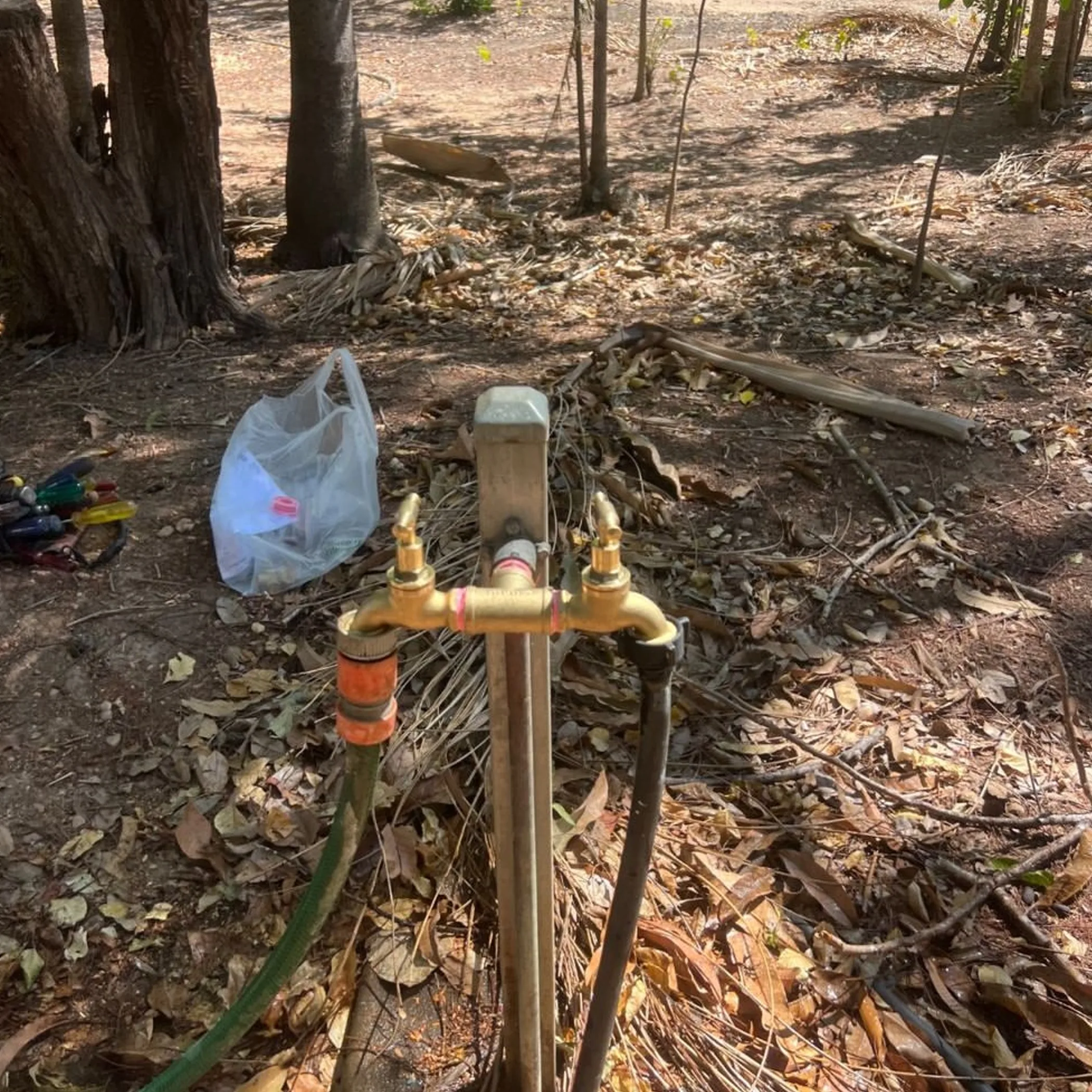
There is no need to cut off water to the entire property to control a single fixture; the local shut-off will do. Provided the valve is dry, in plain sight and safe to get to, this is the way to go when the offending appliance is in evidence. You will find them in the usual places: flexible hoses under the sink, behind the toilet, by the washing machine or at the dishwasher connections. But if a valve is corroded, stuck or spitting water, leave it and make for the main shut-off.
Appliances And Hoses
If the situation allows, isolate the water to the washing machine or dishwasher after switching them off from their controls. Do not try to heave a heavy appliance through standing water. Where an appliance is hard-wired or in proximity to a power point, let a qualified person handle the electrical side of things.
In the case of a hot-water system leak, stay well back from any steam, hot water or compromised pipework. If you can reach the isolation controls without wading in water and are sure of what to do, turn off the energy and water as the unit dictates. If not, the plumber will have to deal with it.
Fixtures To Be Put Out Of Service
Every time a tap is run or a toilet flushed a blocked drain can be made worse. Instruct all in the house to desist from using the fixtures in question; a note on the laundry tap or the toilet is in order if there are many comings and goings.
While you wait, resist the temptation to put chemical drain cleaner in a blockage. It can do harm to some pipe materials and complicate matters for the plumber once he opens the fitting, not to mention the risk of injury to him from the residue in the pipe.
Electricity, Gas And Sewage
Do not mix water and electricity. Wet hands are not to be put on electrical equipment if water has found its way to the switchboard, extension leads, light fittings or ceiling spaces. For guidance on such hazards one can consult Safe Work Australia. But in an emergency, heed the words of the tradesman or emergency services and do not attempt heroics with a towel and screwdriver.
Live Circuits
The only time to cut the power in a plumbing crisis is when the switchboard is within easy and safe reach, with no wet surfaces or flooring to cross. Water in the vicinity of the board means you should not go near it; if there is imminent danger, vacate the premises and ring emergency services. Repeatedly resetting a tripped safety switch is unwise as it may be telling you that water has got to the equipment. Power should not be put back on until the matter is assessed.
A Gas Leak
Suspect damaged gas pipes or smell or hear gas? Do not touch phones, lighters, light switches or anything electrical in the zone. Get outside, away from anything that could ignite, and put in a call to the gas distributor’s emergency service from somewhere safe. A suspected gas leak is something to tell the plumber about, but do not put off taking action for his arrival. With fire, risk of explosion or anyone in peril, dial 000.
Sewer Contact
Contaminated water is what an overflow is. Do not walk through it and keep children and pets at a distance. Unless a professional has given the nod, do not run a vacuum or fan in the area. Should sewage be in the property, make the plumber aware of it on the phone; you might also want to put in a word with your insurer, the council or a specialist in cleaning.
To Limit Damage
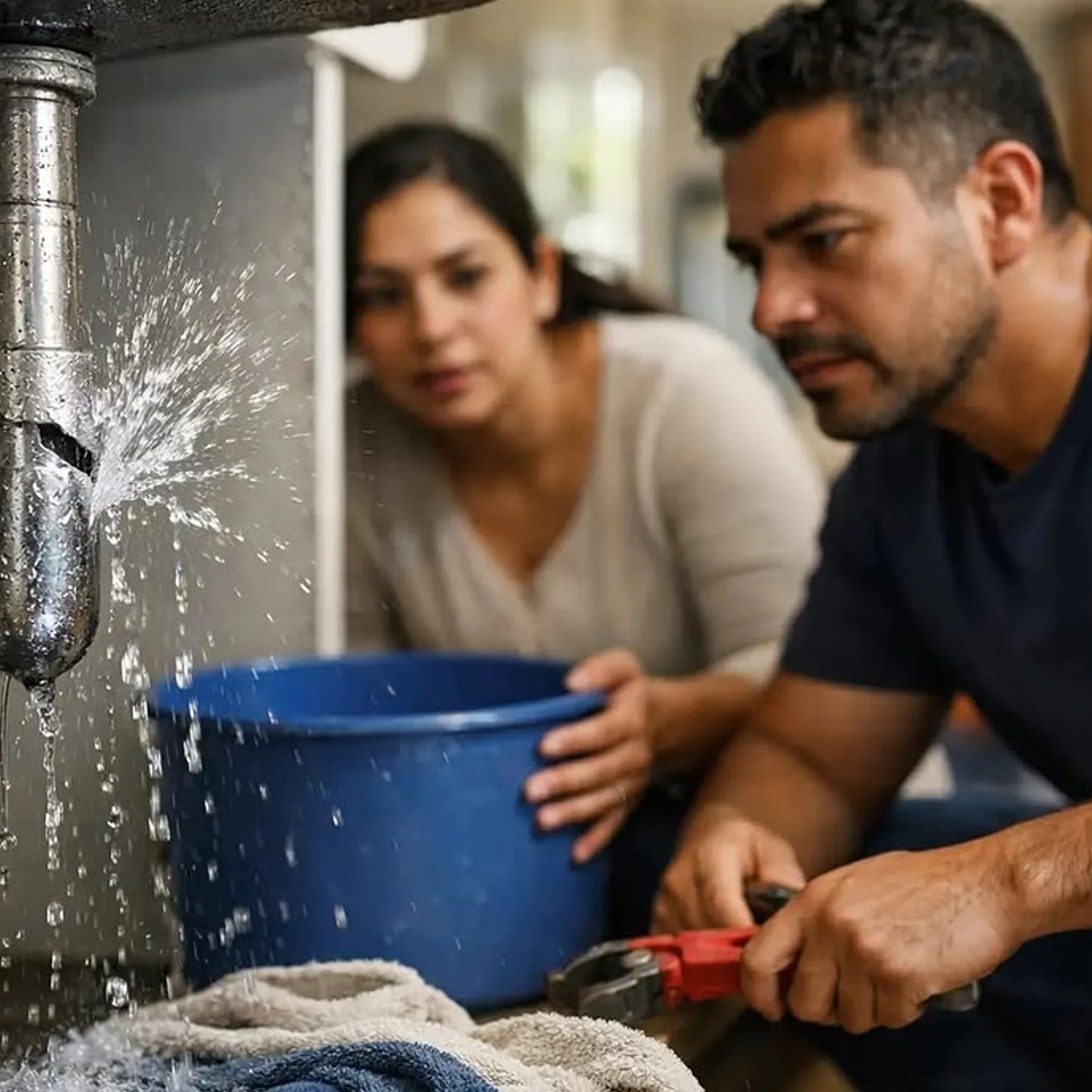
With the supply off and hazards in hand, see to it that the water damage is kept to a minimum. Anything portable, from rugs and boxes to electronics and valuables, should be put out of the way of the wet. Use a plastic tub or towels to catch drips where it is safe to do so. A bucket can be put under a ceiling drip but only so long as the ceiling is sound; a sagging one is liable to come down, so put people out of the way and let the plumber know.
Protect Floors And Belongings
Where it is practical, put furniture on blocks or relocate to a dry room. Take up any wet rugs and the like, but one should not drag heavy pieces of furniture over a soaked floor if there is risk of injury. Only open doors for access in a way that will not let water into dry quarters.
Unless the electrical set-up is safe and the household vacuum is made for the purpose, do not attempt to put significant water in it. A mop may be less of an event but is the better option. Under no circumstances use electrical equipment from a standing position in water.
Weather And Location
Cyclones and the sort of rain one gets in the wet season in northern Australia are enough to back up outdoor drains and put road travel on hold. Heed local emergency advice in the event of a cyclone alert, stay away from floodwater and make sure loose things outside are secured. In the south and in Tasmania a broken hot-water system is a more pressing matter when the weather turns cold, especially for the infirm, the elderly and small children.
There are all manner of hazards in floodwater from open drains and debris to snakes and exposed electrics; do not wade in to get at a valve or have a look at an outside pipe. Personal safety must come first on your emergency plumbing checklist ahead of protecting property.
Evidence For Repairs
A few photographs will put the plumber in the picture before he gets there and stand you in good stead with an insurance claim. Make wide shots of the room as well as close-ups of what has been damaged, be it an appliance, the ceiling, a fixture or pipe. If it can be done safely, get a photo of the water meter and where the valve is.
Note down the time you put the problem right and isolated the water, what was in operation at the time and when you first saw it, and if the damage has since altered. Do not go about moving damaged goods until the insurer says so unless they are a hazard.
Details Worth Capturing
An active spray or some odd noise can be put on video with a phone, but there is no need to put oneself in harm’s way for the sake of it. A hand-drawn map of the premises will also do: put down the front gate, the meter, the isolation valves, the room in question and how best to get there.
Retain receipts for cleaning, damaged items, temporary lodging and materials used in an emergency. From the plumber expect a written description of the work and cause, and an itemised invoice.
When The Plumber Is Due
It is time well spent to have the facts at hand. Give him the address and suburb, a number to reach you on, and the nature of the emergency including the leak’s location and whether it involves gas, sewage or electricity and if the water is off.
Put the plumber in the picture as to any apartment access, a security system, a difficult track in the country or parking restrictions. A steep driveway in Hobart becomes treacherous in the wet; in other places a long shared one or a locked body-corporate cupboard will cause as much of a delay.
Make It Easy To Get In
If it is safe, have the front gate unlocked and the outside lights on and a path to the area cleared. Park legally near the entrance, not on a nature strip or in a fire route, and do not have the plumber put his feet in contaminated water. With an apartment, see to lift access or speak to building management. Out in the country give directions to the nearest kilometre marker and note any unsealed roads or gates left locked; if the mobile reception is poor, leave word with someone you can trust.
What To Put Before The Plumber
The type of property and its age, any recent work done or shut-off valves in use should be mentioned. So too any chemical drain product that has been put in, even if it is gone now.
Get a handle on call-out and after-hours charges and if parts are to hand. Since a confident guess is no substitute for a written estimate given the variables of distance, the job and the state one is in, ask for one.
Some Emergency Errors
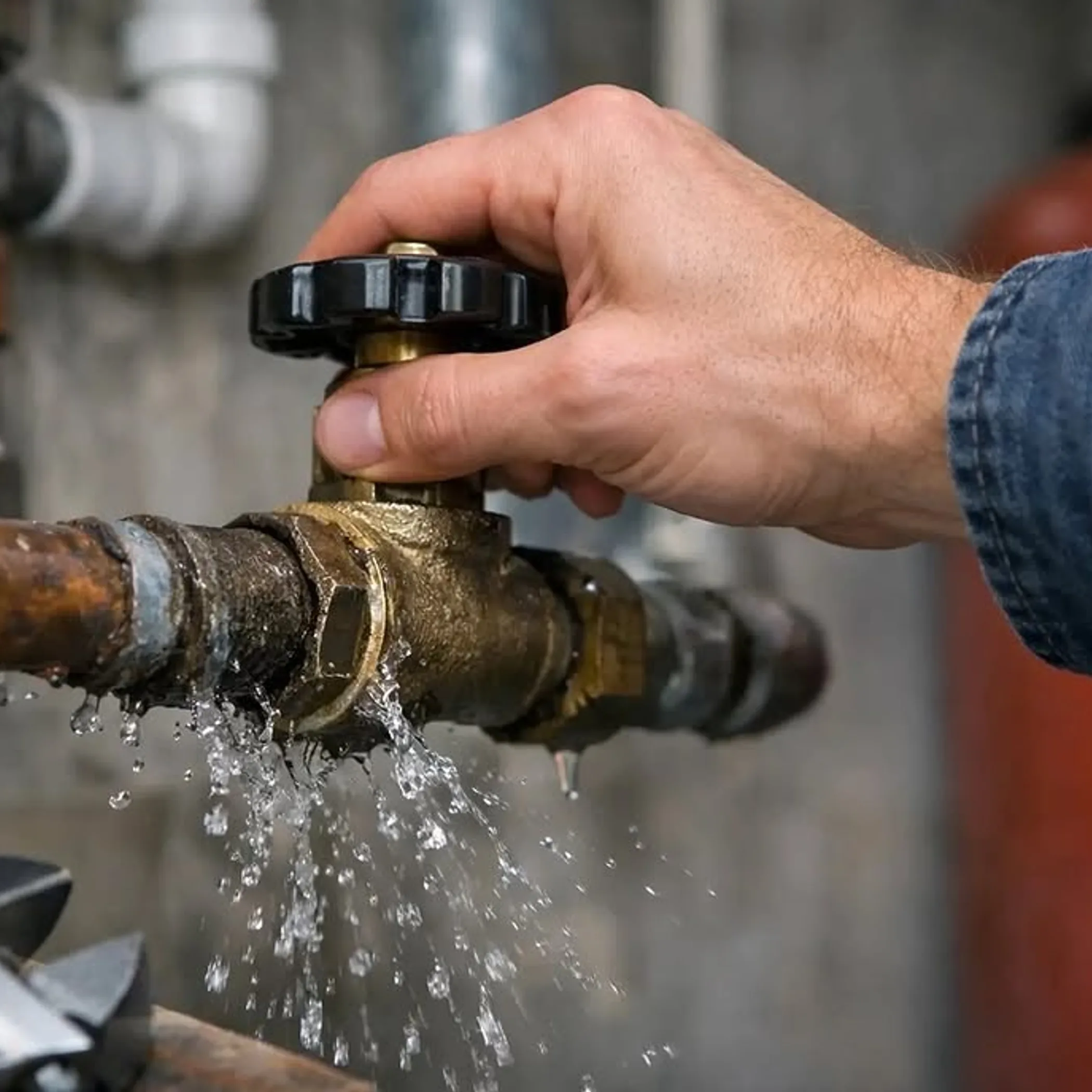
The most frequent is to persist in testing the fixture. One will flush the toilet or put the tap on “just to check” and restart the machine, then be mystified as to why the floor is in worse order. Then there is the error of trying to do a repair that is beyond one’s abilities. There is the temptation to put in a temporary clamp or make a connection taut and think the matter is dealt with, but water can still be making its way behind a wall. In any doubt, cut off the supply and let a professional come and see to it.
- For your own safety, do not try to muscle a recalcitrant valve or stopcock.
- Keep electrical appliances out of wet zones.
- Until a plumber is on site, there is no call for mixing drain chemicals or adding them.
- Do not wade into sewage or floodwater unless you have been advised to and are suitably protected.
- Make sure to photograph damage before covering it up.
- A leak may be quiet but that does not mean it has ceased; put in a safe check of the meter or the area in question.
A Calm Final Checklist
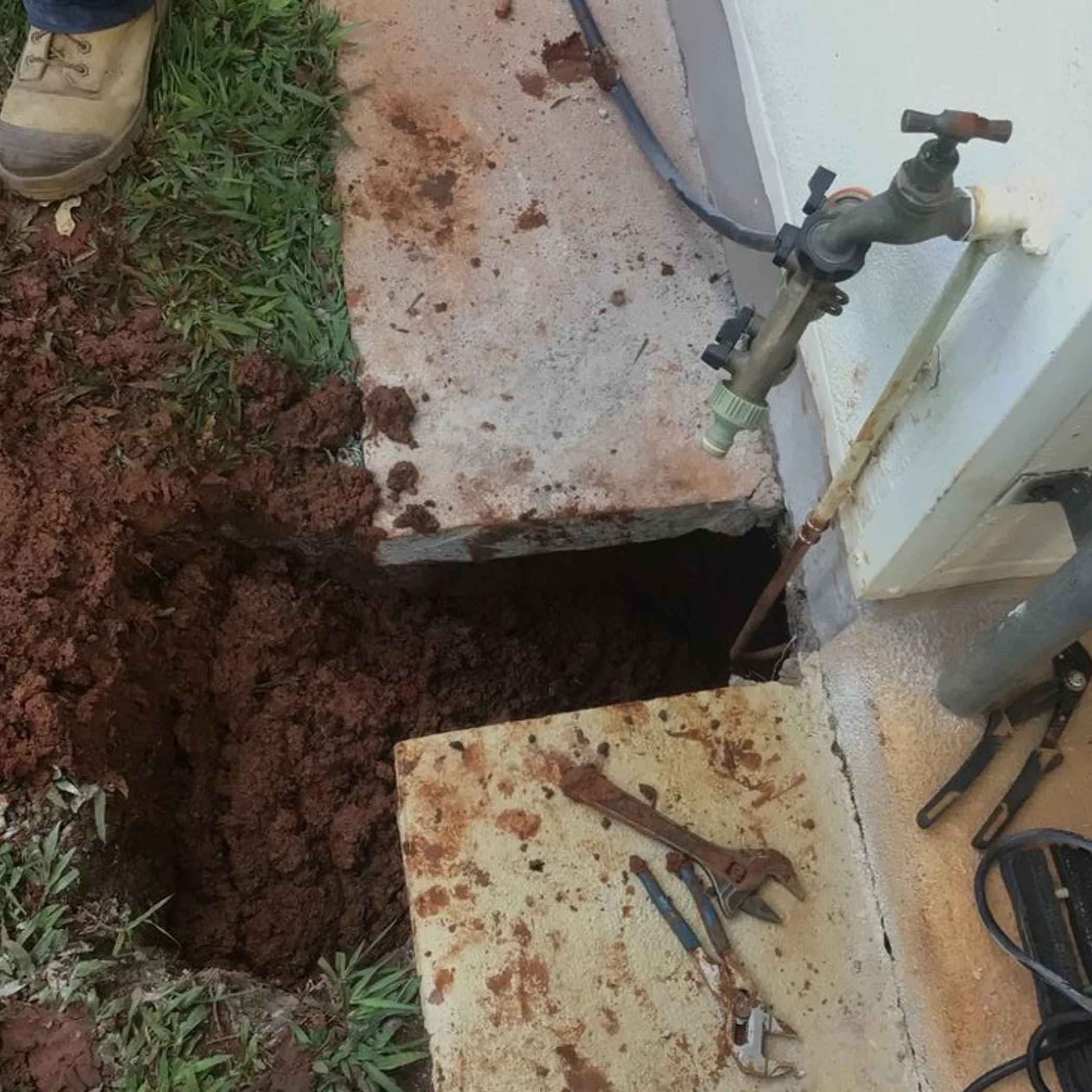
In principle it is straightforward what to do in the interim: contain the source, see that people are protected, limit the spread and be clear in your communication. Having done so will make for a more productive and safer visit from the plumber.
While the facts are still fresh, put them on paper. Record the time, where the valves stand, which fixtures are involved, any odd smells or noises and what photographs you have taken. Put pets, visitors and children at a distance from the work zone until the plumber says it is all right.
Who May Need Help
Those with medical or respiratory conditions, the infirm, as well as older persons and infants might have to vacate an affected room early. If there is active sewage contamination or the property is without a toilet or potable water, it is not fit to be in while repairs are being made.
An emergency that involves common property or shared drains should be reported to the building or strata manager, or the landlord. You do not want a burst pipe in one household to turn into a problem for the whole building through poor communication.
Frequently Asked Questions
Decisions in a plumbing crisis can be hard to make. As a rule the safest course is one that curtails the flow of water and keeps you clear of gas, electricity, unstable materials and sewage.
What is there to do while an emergency plumber is on his way?
Isolate the fixture if you can do so safely and turn off the main water. Stay away from anything electrical and do not use connected fixtures. Photograph the scene, make sure you have clear access and have the address and details of the problem at hand for the plumber.
Stopping the water
If the shut-off next to the leaking fixture is within reach and safe, close it. Failing that, go to the main valve by the water meter or at the point of entry to the property. Do not put yourself in floodwater or force a seized valve to get to it.
Locating the main valve
You will generally find it in an Australian home at the front boundary or near the meter where the pipe comes in, or perhaps in a services or laundry cupboard. For townhouses and units the individual valve could be in a shared space; check with building management.
Electricity
Only if the switchboard is dry and you can get to it without walking through water. Do not handle a wet board or keep resetting a tripped safety switch. Should there be an electrical hazard, leave it to an electrician or the emergency services.
What to tell the plumber
All the particulars: the fault and where it is, when it started, whether water is isolated, involvement of gas or sewage, your contact number and suburb. Also any drain chemicals put in, prior repairs, parking restrictions and how to get into an apartment or past a locked gate.
Sensible and Safe
One does not need to resort to risky improvisation or complicated gear to prepare for 24 hour emergency plumbing. Isolate the water, stay clear of hazards, put people and things in a safe position and document what you have found.
It is stressful, no doubt, but a measured first response will save you from having to clean up after a burst pipe. Let the qualified professional put right what is hidden or unsafe and follow the emergency plumber’s lead.
