Autumn (March to May) and spring (September to November) are when you will want to be on the trails of Blue Mountains National Park Australia. For mild weather, better walking conditions and some respite from the summer hordes, these are the times to go. You will also put in your miles with more colourful foliage or wildflowers in evidence.
Finnian Hayes here. I have been out and about enough to tell you that a sunny forecast is no guarantee of anything. The Blue Mountains can turn from warm to cold rain in short order, so which month is best is a matter of your fitness, how much you mind crowds and whether you have an appetite for mud on your boots as much as the trail you have picked.
Choosing Your Season
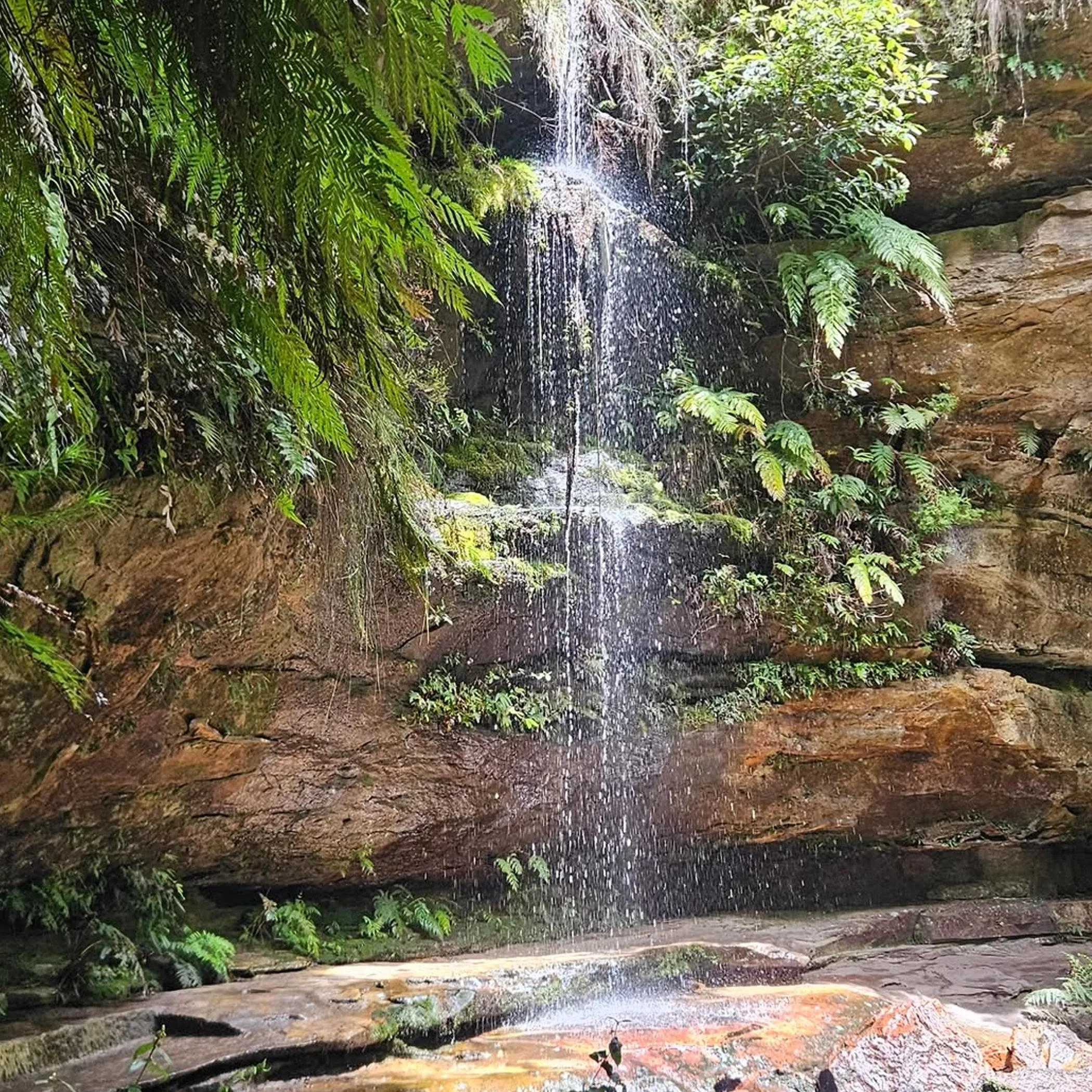
For bushwalking in the Blue Mountains, autumn and spring make for the most well rounded seasons. They provide good daylight and scenery without the rigours of other times of year.
An experienced walker might relish the quiet tracks and the crispness of winter around jamison valley. Then there is summer with its long days and fine waterfalls, though one has to plan for the heat, fire risk and any capricious weather.
Why Autumn Is Well Suited
There is a balance to be had in the Blue Mountains from March through May. The sun is not as unrelenting as in summer and things are cooler. As the foliage puts on colour the bush is at its most appealing.
Take the Grand Cliff Top Walk or another of the longer walks and you will not feel you are lugging an oven with you. But do not count on optimism where rain is concerned, particularly on an open escarpment; a waterproof is a must.
Springtime Water And Wildflowers
If it is wildflowers and a healthy flow in the waterfalls you are after, September to November is the time. It is a favourite for visitors to Australia’s Blue Mountains, the major lookouts and Wentworth Falls in particular.
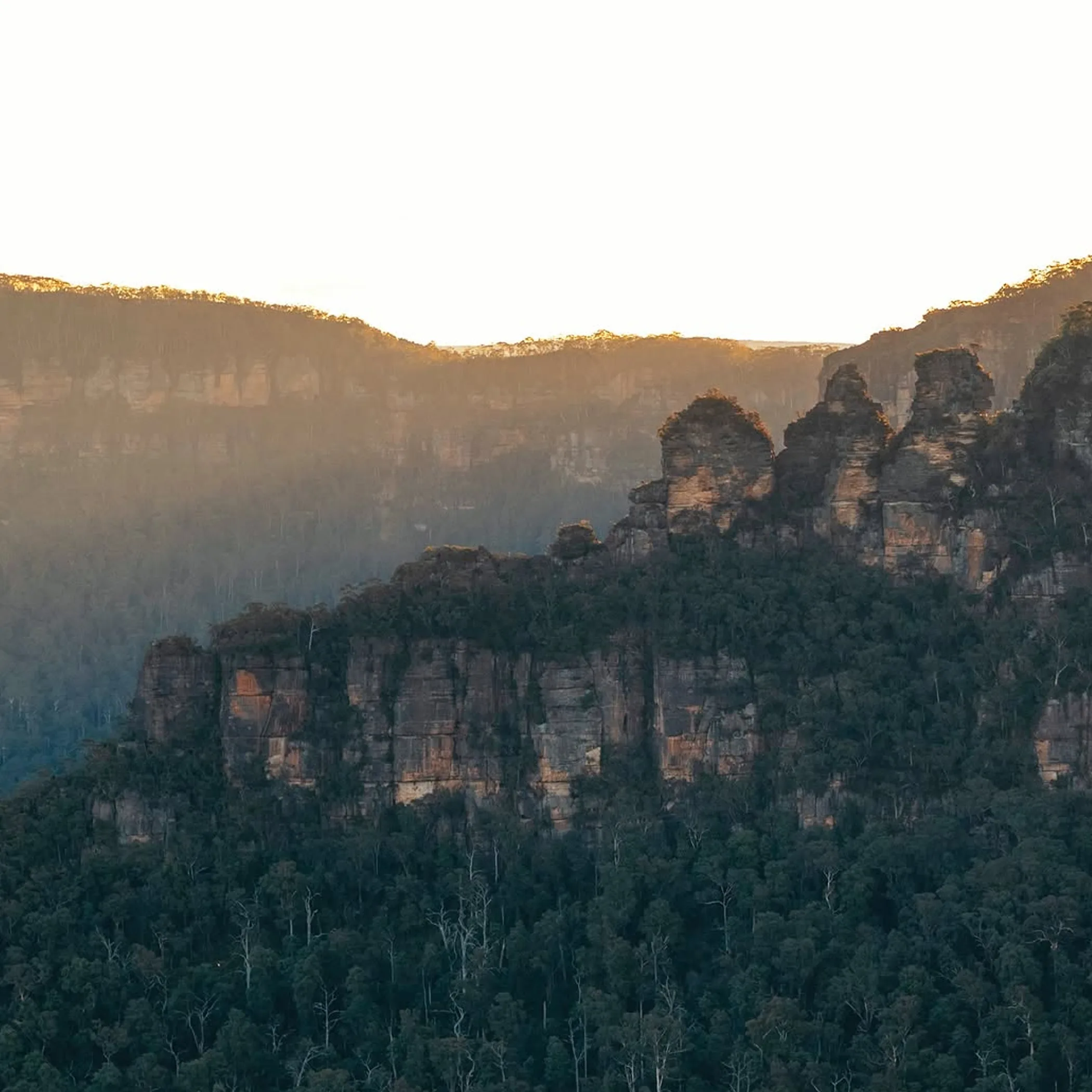
The downside is the changeability of it all. What was a warm morning can be cold and windy by the time you have had lunch. And expect more people around Three Sisters, Scenic World and the more accessible waterfall vantage points on a weekend or school holiday.
A Word on the Weather
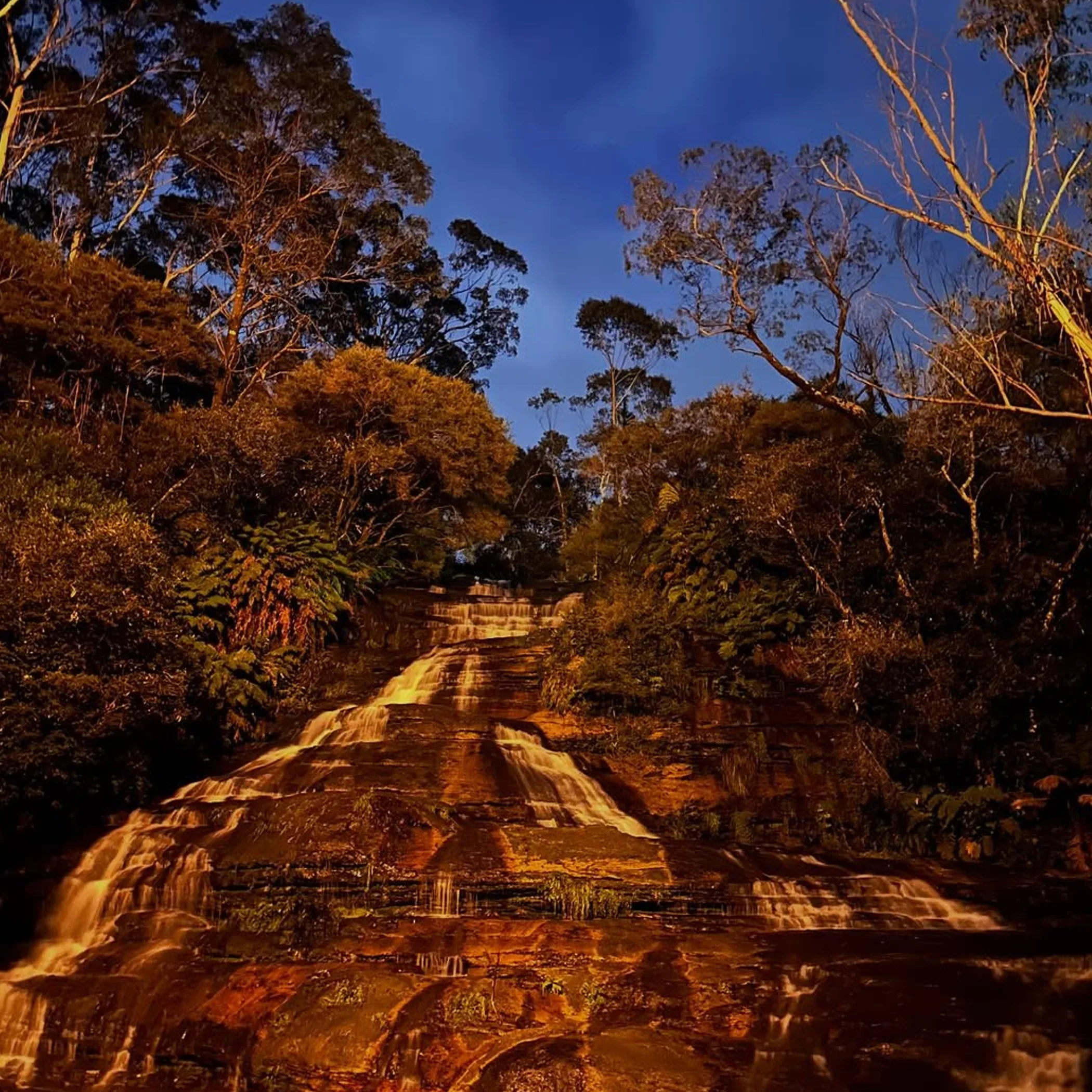
Do not be surprised if the weather in the Blue Mountains is more of a variable than first time visitors think. The plateau is higher up than Sydney, but head into the valleys and the humidity and the stairs will test you.
Before you set off, look at what the official alerts are saying for Katoomba or wherever you are headed. The Sydney forecast is of little use in a wet sandstone track or a shaded canyon.
Heat Of Summer
You get the daylight hours in summer but the heat is something to contend with. Even if the town is comfortable, valley tracks will be hot and humid. Make an early start and have plenty of water, leaving the hard climbs for later in the day.
And be aware of fire danger. Smoke, extreme heat and a bushfire closure can put paid to your plans with scant notice, so consult the NSW National Parks and Wildlife Service for the latest on the park before you make the trip.
Winter Conditions
The lookouts are peaceful in winter and visibility is at its sharpest, the tracks are quieter. But an early morning with wind and low cloud will be cold for sure. Some places in the shade are going to be damp and treacherous all day.
With less daylight you need to be off early to put in the miles before dark, in case of a wrong turn on a route with steep steps or tricky junctions. It is not inherently unsafe in winter but there is not the margin for error.
What The Months Can Give You
Waterfalls and solitude and good temperatures do not all come to a head at once, so the right month is dictated by what you are looking for.
Below is a seasonal guide to help with the planning, subject to the state of the track and the forecast.
| Period | Best For | What you will find | Things to watch |
|---|---|---|---|
| March to May | Long walks and general hiking | Moderate crowds, autumn colours and mildness | Sandstone underfoot can be slippery with rain |
| June to August | The experienced walker and quiet lookouts | Crisp views, shorter days and cold to start | Early darkness, wind and low cloud |
| September to November | Waterfalls and wildflowers | Spring colour, greener bush and agreeable days | Changeable conditions and weekends will be busy |
| December to February | Shorter walks and an early start | Lively in the visitor areas with long days and warmth | Storms, heat and the possibility of fire |
Consider them guides for your planning, not guarantees. Weather in the Blue Mountains is a localised affair; a valley can be drenched and yet a lookout not far off will be quite clear. There is a certain charm to that, as long as you have not made the error of donning cotton shorts and venturing out with a single small bottle of water.
Trails to Your Measure
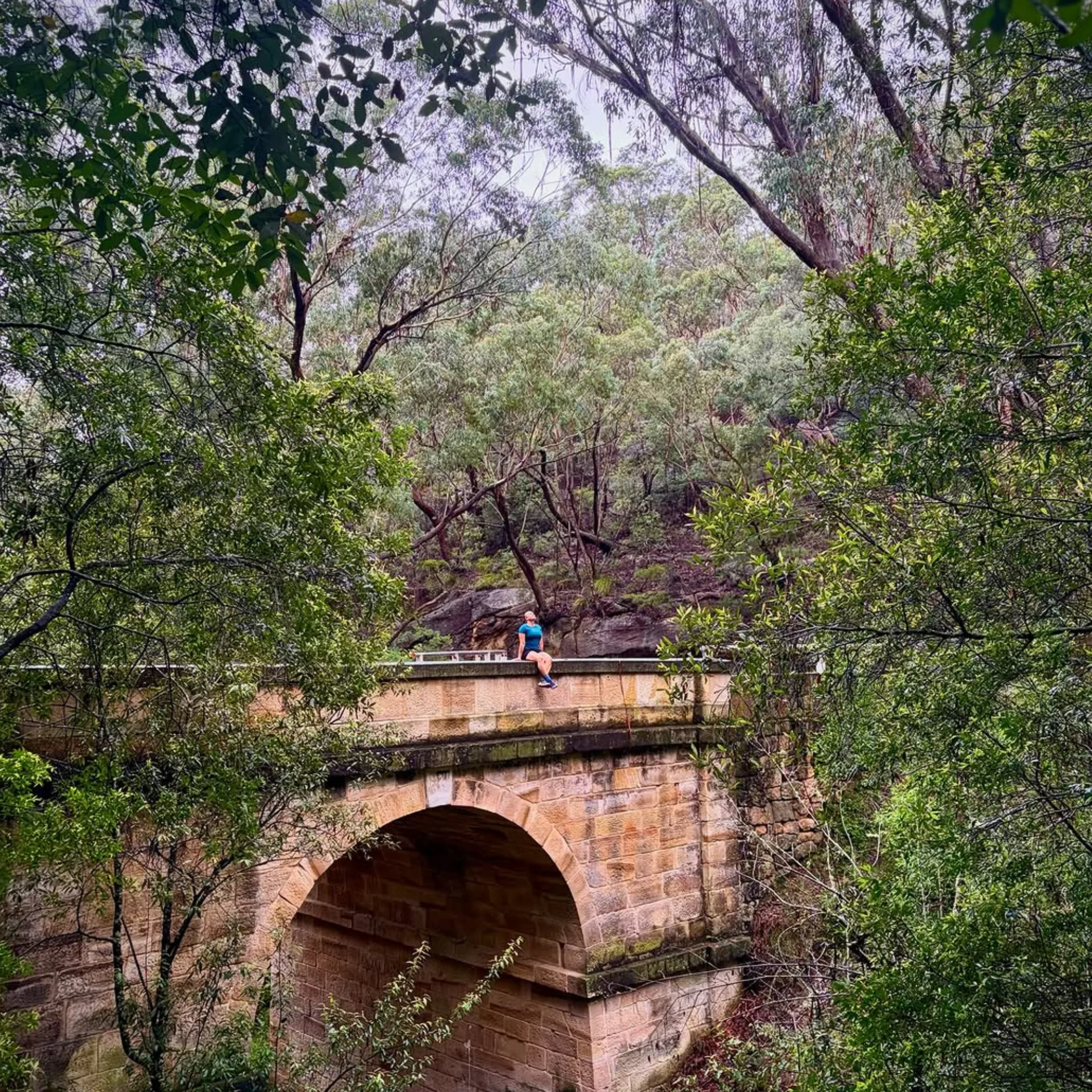
In the National Park you will find everything from a brief walk to a lookout to arduous canyon routes and multi day hikes that a Blue Mountains visitor ought to consider a proper foray into the wilderness. Make your selection on the basis of terrain and how you will get back, do not be swayed by a photograph.
Distances and times given below are only a guide. Factor in some leeway for when it is wet, or for navigation, a rest and the odd individual who has to put in an appearance in the middle of the track to take a picture of a fern.
| Walk Or Area | Indicative Distance | Realistic Time | For Whom |
|---|---|---|---|
| Three Sisters Lookouts | Short linked walks of under 2 km | 45 min to 1.5 hrs | Families and those visiting for the first time |
| Wentworth Falls Area | A circuit of some 5 km | 2.5-4 hrs | For walkers at ease with steep ground and stairs |
| Grand Canyon Track | In the region of 6 km | 3 to 5 hrs | Experienced types in good weather |
| Grand Cliff Top Walk | Some 19 km | A long day out, or two done at a leisurely pace | Those who are fit and have their transport in order |
Make The Grand Cliff Top Walk A Priority
For a fit walker desirous of a good cross section of the region the Grand Cliff Top Walk is hard to beat. You will have the major lookouts and escarpment between Katoomba and Wentworth Falls, but it is no place for a casual amble from one café to another.
Before you set out, have your transport sorted. To make it back to where you started you might require a second vehicle, a taxi or an arranged transfer, contingent on where you are staying and which way you are heading. To go one-way without a plan is a mistake any bushwalker makes, much like leaving the rain jacket at home because the sky seemed “pretty decent”.
The Grand Canyon Track
This is a more contained affair with its damp patches and steep steps, not much chance to stray from the route. It is for the walker who does not mind uneven footing and a bit of climbing. On top of that the track can be slippery after a rain and you will be going slower than you think. Not something we would recommend as a first bushwalk if heights or confined spaces are an issue. Take a companion and plenty of water and do not let the sun get down on you without a margin to spare.
Jamison Valley Lookouts
When you are in the mood for some scenery but do not want to put in a full day’s walking, the lookouts over Jamison valley are well worth it. An excursion to the escarpment views about Katoomba and Wentworth Falls is a fine way to acquaint yourself with the World Heritage area. Put in a short track after a major lookout if the daylight and conditions are right. Families will find this suits them, as will anyone who has come to realise that what is billed as a “moderate” walk is not necessarily flat.
Getting Around And Trail Access
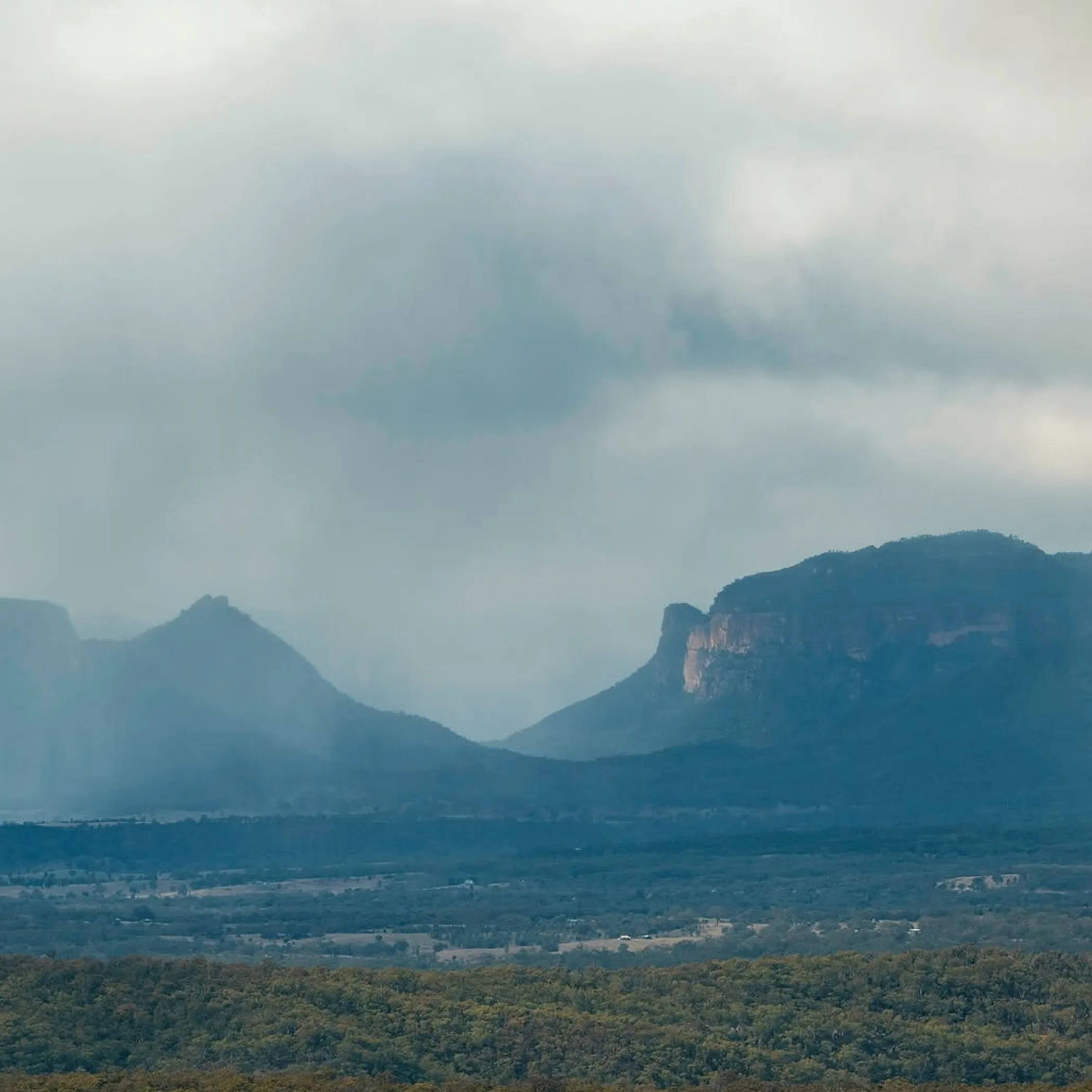
A car or train from Sydney will bring most to the Blue Mountains. The latter is handy for Katoomba and Wentworth Falls and their environs, the former affords the freedom of an early start and access to trailheads that are more spread out. Do not be late to the waterfall and popular lookout areas where parking is at a premium. Stick to marked bays and leave the gates and access roads unobstructed.
Do not think a ticket to Scenic World near Katoomba covers you for park safety or trail access matters; they are separate concerns. Check your return option and the route on its own merits.
A Day In The Mountains
One day is best spent in the Katoomba vicinity. See the Three Sisters and the lookouts around, then put in a portion of the Grand Cliff Top Walk or a shorter one at Wentworth Falls as your fitness and the elements dictate. Get an early start from Sydney and do not put a taxing track in before a train you must catch. Two hours at the lookouts, three or four on a trail of your choosing, and some time for lunch and whatever the weather brings will make for an unhurried day.
Safety First
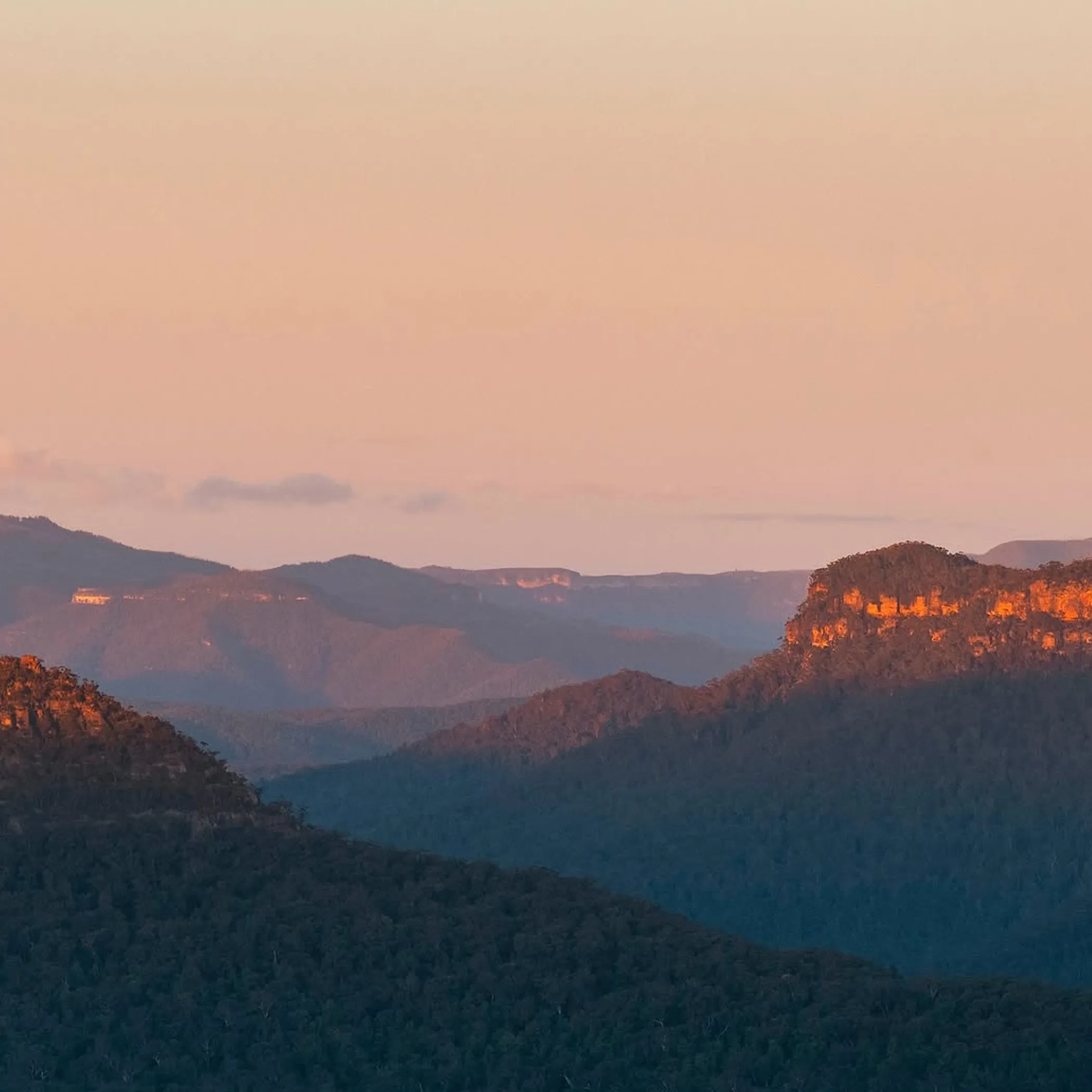
Hiking in the Blue Mountains demands you have some respect for the terrain. Mobile reception in the valleys is not to be relied on, the sandstone steps can be slick and the weather in the canyon is prone to turn on a dime.
Before you set off, make sure to look into any fire conditions, trail closures or weather alerts. For up to date access details the NSW National Parks and Wildlife Service is your best bet. Should you come across a closed track, do not regard the barrier as some well meaning uncle’s suggestion.
- Put down with someone where you are headed, from what point and when you plan to be back.
- Have on hand water and food, a first-aid kit, a map, a waterproof layer and a phone that has been charged.
- Your shoes should have good grip and you must stay clear of cliff edges.
- If the group is tiring, daylight is gone or things turn for the worse, it is time to head back.
- Keep children in tow at unfenced edges, stairs and lookouts.
What Most People Get Wrong
A case of underestimating the climb is common among visitors who put too much stock in distance; you will find a short route of several hundred steps more arduous than a long, easy graded walk. Some are of the opinion that rain means a waterfall will be in full flow but runoff is not so predictable and can be much less after a dry spell.
Then there is the error of thinking the Blue Mountains are a compact affair. It is a national park of some size with its own escarpment routes, valleys and points of access. Factor in the driving and parking as part of your plan, not only the walking.
Pack For Changeable Conditions
Do not be guided by the temperature at your place of accommodation, pack for the valley and the season. You may have a warm afternoon in Katoomba but an exposed ridge or a canyon will be a different matter.
- Sturdy walking shoes are a must, as are breathable layers and a waterproof jacket.
- Take more water than you think you will need and enough food in case of delays.
- A hat, sun protection, a power bank, a small first-aid kit and a map should be in your pack.
- If it is winter or late in the day, a head torch is advisable.
- Remember to put your rubbish out and keep food put away from wildlife.
And while a lightweight sit mat comes in handy on damp ground it is not going to make a muddy lunch seem any more elegant. For the longer walks one might add an emergency layer, spare socks and something for blisters.
Answers For Better Planning
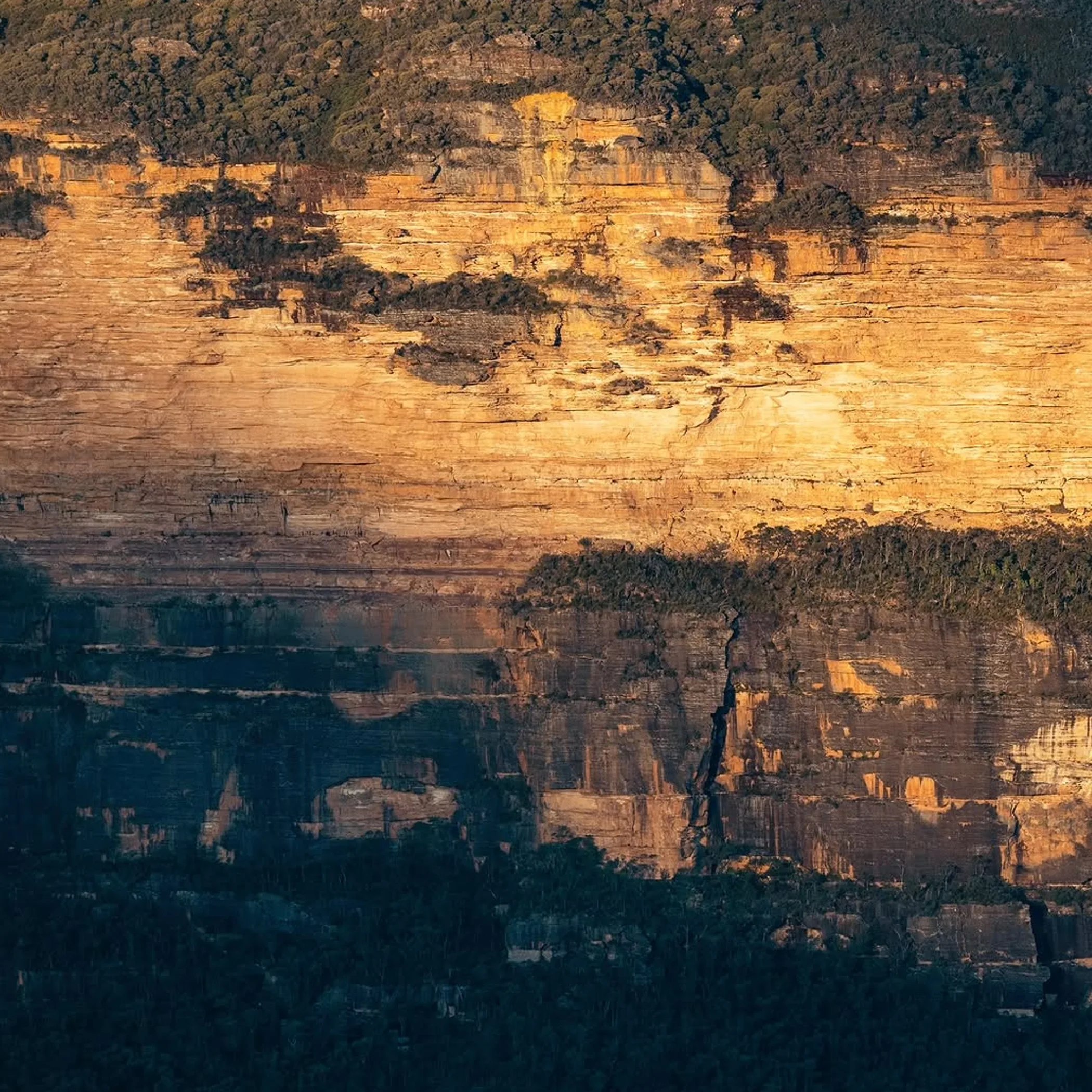
The following are the kind of questions that bear on a visit to the Blue Mountains, be it over the season, new infrastructure or which trail to take.
What Is The Best Time Of Year To Go To The Blue Mountains?
One would generally say autumn or spring. March through May is mild with good foliage, September to November for wildflowers and waterfalls. Winter is for those who like a quiet trail, summer for the early risers able to cope with the heat and fire danger.
What Is The Best Hike In The Blue Mountains?
It depends on the walker. The Grand Canyon Track is for the experienced and demanding tastes, the Grand Cliff Top Walk for the fit visitor wanting to put in some miles on the escarpment. On a first trip the Three Sisters and the lookouts about it are more sensible.
What Is The New $9.5 Million Walking Track In Sydney?
That sum is for a project in Sydney proper, no cause to believe every new route is in the Blue Mountains National Park. Consult the official information on the project before you consider the opening status or the figure as having any bearing on your plans here.
What Is The Prettiest Town In The Blue Mountains?
Leura has its appeal for the village feel, the cafés and gardens and proximity to walks. But for getting around and the main attractions, Katoomba tends to be the more practical option. It is a matter of whether you want to be close to Scenic World and the trails or have a bit of character to your base.
Can Beginners Hike Blue Mountains National Park?
They can, on the well planned tracks and short walks to the lookouts. Pick a route your fitness allows and do not be put off by wet weather. Do not let an inviting online photo lure you into starting with a long canyon walk.
Make Your Walking Day Count
Autumn and spring are fine for hiking in the Blue Mountains Australia but the ideal day is one where the weather and open tracks and your ability all align. Do not go by the calendar. Allow yourself more time than the sign says, have a decent jacket and start early. Leave the itinerary open to the mountains being what they are, a bit of rain and a stair or two, and you will have a better tale to tell.
